Is That Ormond Beach Lot Actually Buildable? Here’s What to Check Before You Buy
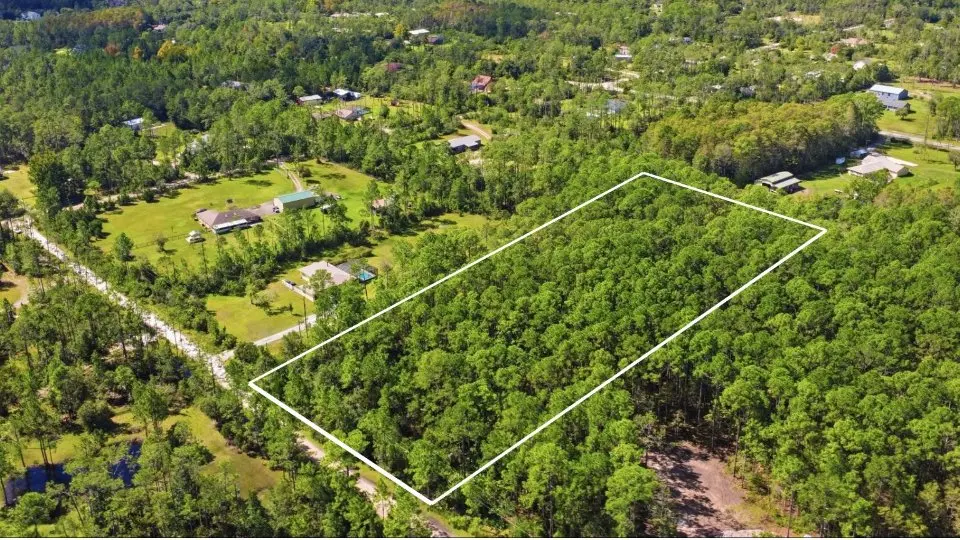
Is That Ormond Beach Lot Actually Buildable? Here’s What to Check Before You Buy
Vacant land can look like an amazing deal.
You find a beautiful lot. You picture your new house, a big yard and maybe a pool. The listing says it is residential, so you assume you can build on it.
Not so fast.
A lot can be zoned residential and still have problems that make building difficult, expensive or sometimes impossible.
I recently started doing this research for an Ormond Beach land listing, and I quickly realized how confusing it can be. There are different websites, maps, departments and rules—and most people have no idea where to begin. We will learn together my friends!
Let’s make it simple.
Before you buy vacant land, you need to answer four questions:
-
Is there a survey?
-
What can legally be built there?
-
Are utilities connected or available?
-
Is there anything on the property that could get in the way?
Here is how to start your own "due diligence" journey you see written in all the land listing descriptions.
Step 1: Find the Parcel Number
The parcel number is like the property’s ID number. You will need it almost every time you call a government office or search for information.
Start with the Volusia County Property Appraiser.
Search by the address, owner’s name or parcel number.
The property record can help you find:
-
The parcel number
-
The legal description
-
The lot size
-
The owner’s name
-
The tax district
-
A basic property map
Pay close attention to the tax district.
An Ormond Beach mailing address does not always mean the property is actually inside the City of Ormond Beach. Some properties are in unincorporated Volusia County, which means a different office may control the zoning and permits.
That little detail can change a lot!
Step 2: Ask if There Is a Survey
A survey shows the property lines. It may also show easements, roads, wetlands, buildings and other important details.
Start by asking the seller.
The seller may have received a survey when they bought the land. Their old title company or closing attorney may also have a copy.
You can also check:
-
Old permit records
-
Previous owners
-
The subdivision plat
Here is the catch: private surveys are not always recorded. You may find the subdivision plat online but not a survey for that exact lot. The seller may have even inherited the land and not have much or any information on the property.
And an old survey may not tell the whole story today, either.
If no usable survey exists, a new one may need to be ordered. Depending on the property, the buyer may need more than a basic boundary survey. A surveyor may also need to show elevations, easements, wetlands or the part of the lot where a house could actually fit.
Step 3: Find Out What the Zoning Really Allows
The word “residential” is not enough.
You need to know:
-
What type of home is allowed?
-
Is the parcel a legal lot of record?
-
Is it wide enough?
-
Is it large enough?
-
What are the setbacks?
-
Does it have legal access from a road?
-
Is there enough usable space for the planned house?
Setbacks are the spaces that must be left between the house and the property lines.
After you subtract those spaces, the area left for the house may be much smaller than the lot looks.
If the property is inside the City, visit the City of Ormond Beach Planning and Zoning page.
The City offers written zoning verification for a property. You will need the address or parcel number.
Do not simply ask, “What is the zoning?”
Ask this:
Is this parcel a legal buildable lot for one single-family home, and are there any known zoning, size, setback or access problems that could stop someone from getting a building permit?
That question gets much closer to what you really need to know.
If the property is in unincorporated Volusia County, use the County’s Planning and Development resources.
Step 4: Check Water, Sewer and Electricity
This is where the wording gets tricky.
“Utilities available” does not always mean utilities are connected.
It might mean water and sewer lines are somewhere nearby. The new owner may still have to pay for taps, meters, impact fees or even an extension of the line.
Ask the utility provider:
-
Is water already connected to this parcel?
-
Is there a meter?
-
Is sewer already connected?
-
Has the property ever had utility service?
-
Are water and sewer available at the property line?
-
Would any lines need to be extended?
-
Are there connection or impact fees?
-
Are there any planned utility assessments?
-
Would the property need to be annexed into the City to receive service?
For City service, start with Ormond Beach Utility Billing.
You should also contact the electric provider and ask whether power is already at the lot or would need to be brought to it.
A utility pole near the property does not automatically mean the lot is connected.
Step 5: What if the Lot Needs a Well or Septic System?
If public water or sewer is not available, the property may need a well, septic system or both.
That does not automatically mean there is a problem. Plenty of Florida homes use wells and septic systems.
But you need to know whether this particular property can support them.
For septic, the buyer may need a soil and site evaluation. The person completing that evaluation will look at things like:
-
The soil
-
The water table
-
The size of the lot
-
Wetlands
-
Flood areas
-
Nearby wells
-
The amount of usable space
A large lot can still have very little room for a house and septic system once all the required distances are added.
The Florida Department of Health in Volusia County handles septic-system information and permitting.
The Health Department also has information about drinking-water and irrigation wells.
Do this research before closing—not after you already own the land.
Step 6: Look for Wetlands and Environmental Issues
A lot with wetlands is not always unbuildable.
But wetlands can reduce the amount of land you can actually use. There may also be a protected buffer around the wetland where building is limited.
Start with Volusia County’s Environmental Permitting page. It includes links to maps showing possible wetlands, soil types, conservation areas and some protected-animal areas.
Online maps are a great place to start, but they are not the final answer.
A map cannot replace someone walking the property. If wetlands may be present, the buyer may need an environmental professional to inspect the land and mark the wetland boundary.
You may also need to check for:
-
Protected trees
-
Gopher tortoises
-
Scrub-jay areas
-
Conservation easements
-
Drainage problems
-
Open or expired environmental permits
This is especially important on land that is heavily wooded or stays wet after rain.
Step 7: Check the Flood Zone
Use the FEMA Flood Map Service Center to search the property.
Being in a flood zone does not always mean a house cannot be built. It may mean the house must be built higher or designed differently.
That can affect:
-
The foundation
-
The driveway
-
Drainage
-
Septic placement
-
Flood insurance
-
Construction costs
Remember, a property can look dry while you are standing on it and still have flood or elevation issues.
Florida dirt can be sneaky like that.
Step 8: Search for Old Permits
Old permits can tell an interesting story.
Someone may have already applied for a house, driveway, septic system, well or wetland permit. The application may have been approved, denied or simply abandoned.
Search the property through Volusia County’s online services and Connect Live using the address or parcel number.
Old records may save time—or warn you about a problem that was discovered years ago.
How Do You Find Out What Is Actually Buildable?
An online wetlands map is only a starting point. If wetlands may be present, there are three steps to getting a much clearer answer.
1. Have an Environmental Professional Mark the Wetlands
First, a qualified environmental consultant walks the property, identifies the wetlands and marks the wetland boundary with flags.
One local option is Verde Environmental. For properties under five acres, Verde currently estimates approximately $800–$1,300 for a wetland delineation.
They can also prepare a conceptual development plan for approximately $750 more. This can help show the wetland area, possible setbacks and the part of the property that may be left for building.
Other companies serving Volusia County include:
-
Palmer Biological Services — 386-314-5718
-
Biological Consulting Services — 386-423-3402
-
Zev Cohen & Associates in Ormond Beach — 386-677-2482
Volusia County also keeps a current list of environmental consultants.
I recommend getting two or three quotes. The County provides the list for information but does not officially recommend one company over another.
2. Have a Surveyor Map Everything
Once the environmental consultant flags the wetlands, a licensed surveyor can place that wetland line on the property survey.
The survey should ideally show:
-
Property boundaries
-
Easements
-
Road access
-
Topographic elevations
-
Wetland boundaries
-
Required wetland buffers
-
Zoning setbacks
-
The approximate upland area left for building
Efird Surveying Group serves Ormond Beach and specifically provides wetland-location surveys. Their phone number is 386-740-4144.
The environmental consultant finds and flags the wetlands. The surveyor then measures and maps those flags. You may need both professionals.
A detailed boundary, topographic and wetland-location survey may cost approximately $1,000–$2,500, depending on the size of the property, vegetation, access and the work required.
3. Ask Planning to Review the Results
Once the wetland work and survey are complete, send the information to the correct City or County planning office.
Ask:
Based on the parcel’s zoning, size, access, setbacks, wetlands and remaining upland area, does there appear to be enough room for one single-family home? What other approvals or permits would be required?
The planning department can help confirm the lot’s zoning and legal status. However, the final house plan will still need to go through the normal permitting process.
What Could This Cost?
For a meaningful preliminary buildability review, a property owner or buyer may spend approximately:
-
$800–$1,300 for wetland delineation
-
About $750 for a conceptual development plan
-
$1,000–$2,500 for a boundary, topographic and wetland-location survey
-
Additional City, County or permitting fees
A realistic starting budget may be $2,500–$4,500.
Yes, that is real money. But it could prevent someone from spending much more on land that cannot be used the way they planned.
It can also help a seller market the property with real information:
Here is the usable building area. Here are the known restrictions. Here is what has already been verified.
That is much more valuable than simply calling it “vacant land” and leaving every buyer to guess.
My Simple Vacant-Land Checklist
Before buying a lot, try to confirm:
-
The correct parcel number
-
City or County jurisdiction
-
Legal access to the property
-
Zoning and allowed use
-
Whether it is a legal buildable lot
-
Lot size and setbacks
-
An existing survey or the cost of a new one
-
Water and sewer availability
-
Electric availability
-
Well and septic options
-
Wetlands and environmental concerns
-
Flood zone and elevation
-
Open, expired or denied permits
-
Easements and title restrictions
-
Estimated impact and connection fees
You may also need help from a surveyor, builder, engineer, septic professional, environmental consultant or attorney.
No single website tells the entire story.
The Bottom Line
A cheap lot is not a good deal if you cannot build what you want on it.
Sometimes paying more for land with clear access, usable space and utilities already available can save a buyer thousands of dollars—and a whole lot of frustration. Sometimes, the clues you find through these free resources are enough to tell you whether a property deserves a deeper look—before spending thousands on professional evaluations.
The goal is not to make vacant land feel scary. It is to know what you are buying before you buy it.
If you are considering land in Ormond Beach or anywhere in Volusia County, send me the address or parcel number.
I will help you ask the right questions, find the right offices and figure out what needs to be checked before you fall in love with the possibilities.
Adrienne Kane | Real Broker, LLC
Positioning Value. Delivering Results.
This information is provided as a general starting point. Every parcel is different. Buyers should verify their intended use with the appropriate government offices and licensed professionals before purchasing property.
Categories
Recent Posts